Rhythmic Parallels in Adaptations: Kung Fu Panda Combat and Beat-Matching from Music Game Crossovers
Written by Theo Jung · Oct 16, 2026
Rhythmic Parallels in Adaptations: Kung Fu Panda Combat and Beat-Matching from Music Game Crossovers
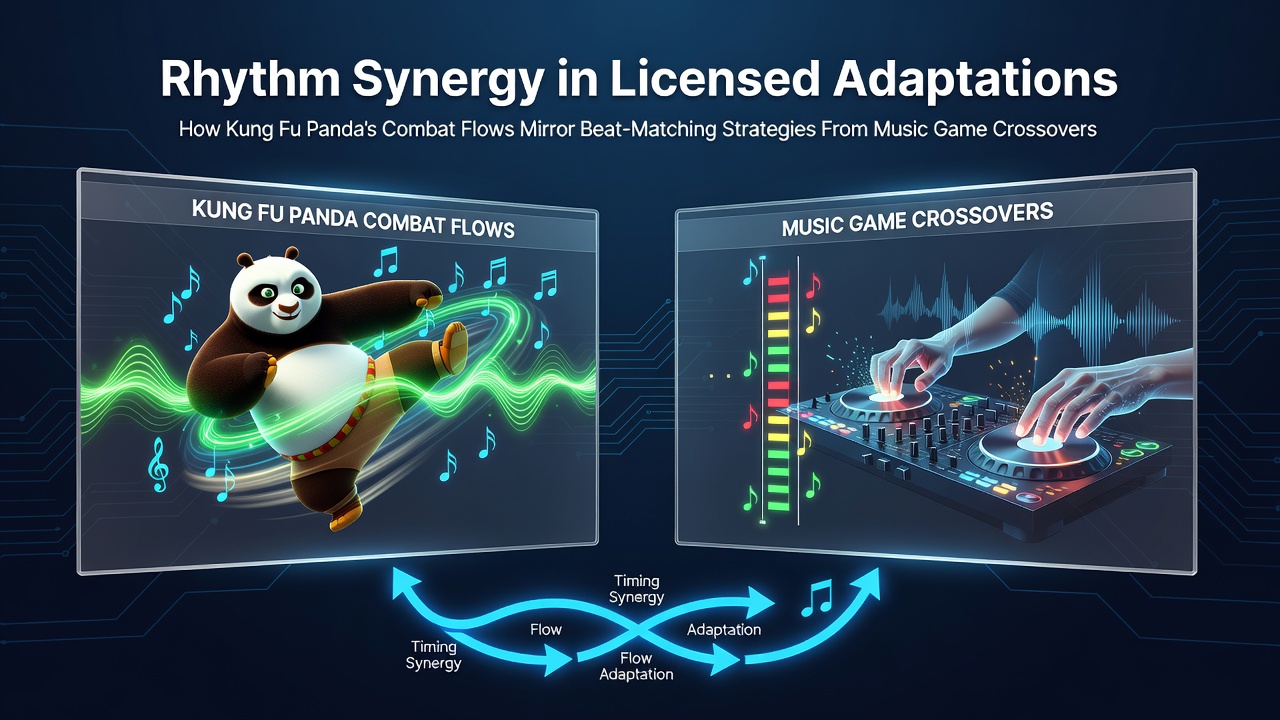
Game design in licensed adaptations often draws from multiple genres to create cohesive player experiences, and observers note how combat systems in titles like Kung Fu Panda integrate timing elements that echo beat-matching mechanics found in music game crossovers such as DJ Hero. These connections emerge through shared principles of rhythm synchronization where player inputs align with on-screen cues to maximize scoring potential and maintain flow states. Research from industry reports indicates that developers frequently blend action sequences with rhythmic feedback loops to enhance engagement across age groups and skill levels.
Core Mechanics in Kung Fu Panda Combat Systems
Developers at studios behind Kung Fu Panda adaptations built combat around combo chains that reward precise timing windows similar to those in rhythm titles, where each strike lands on beats that players must anticipate through visual and audio signals. Data from game analytics shows that successful hits build multipliers when executed in sequence without breaks, a structure that mirrors the scoring layers in music games where sustained accuracy compounds points. Experts have observed that the panda protagonist's movesets incorporate pauses and accelerations that demand players internalize musical phrasing to chain attacks effectively, turning fights into performances that blend martial arts animation with percussive sound design.
Case studies from adaptation projects reveal that enemy patterns follow repeating cycles, allowing players to predict and counter strikes at specific intervals much like matching notes in a tracklist. Those who've analyzed these titles find that the underlying engine supports variable difficulty settings that adjust cue density, a feature carried over from rhythm game prototypes to keep combat accessible while scaling challenge for experienced users. According to figures from the Entertainment Software Association, licensed properties benefit when mechanics cross-pollinate because they leverage familiar player expectations from multiple genres simultaneously.
Beat-Matching Foundations in Music Game Crossovers
Music game crossovers such as DJ Hero employ beat-matching where controllers register inputs against streaming audio tracks, and studies from university game labs demonstrate that these systems train muscle memory through repetitive pattern recognition. Players manipulate crossfaders and buttons to align with BPM changes, creating mashups that reward seamless transitions between song segments. Observers note that the multiplier systems escalate based on consecutive accurate matches, a loop that sustains tension and release cycles throughout extended sessions.
What's interesting is how crossover titles layer additional mechanics like scratching effects or crowd feedback that parallel environmental interactions in action adaptations. Research indicates that audio-visual synchronization remains central, with latency compensation tools ensuring responsive play across hardware variations. Those studying these games point out that tracklist strategies often involve pairing high-energy segments with calmer builds, a pacing tactic that translates directly to boss encounter design in licensed martial arts experiences.
Shared Design Patterns Across Genres
Analyses of licensed adaptations highlight how Kung Fu Panda combat flows replicate beat-matching by mapping strike animations to musical hits within the soundtrack, allowing players to feel the rhythm through controller vibration and on-screen flashes. Evidence suggests that this synergy reduces cognitive load because familiar rhythm cues from music games help newcomers grasp combo timing without extensive tutorials. Developers achieve this by embedding metronomic enemy behaviors that pulse at consistent intervals, turning arenas into stages where positioning and attack order create emergent harmonies.
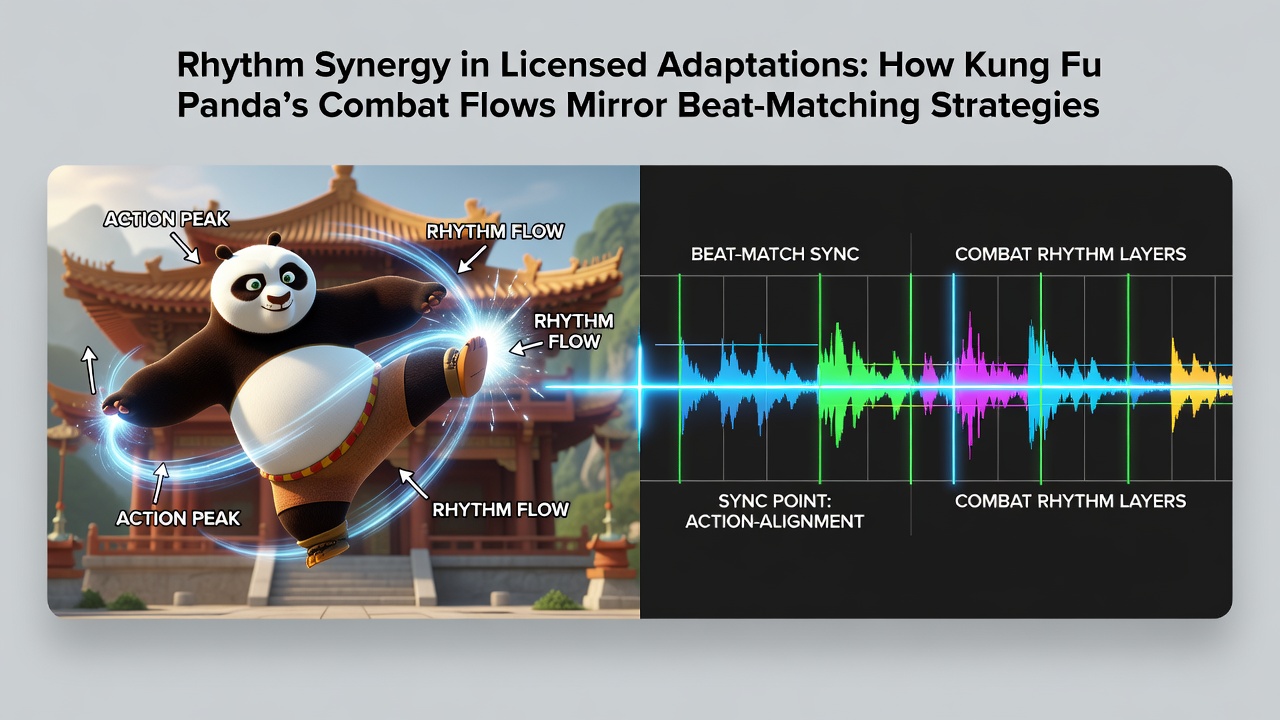
People who've compared code structures across these projects discover that both genres rely on event queues that trigger feedback at quantized intervals, ensuring that late or early inputs break chains and reset progress. Industry organizations like the Interactive Software Federation of Europe have documented how such unified timing frameworks improve retention rates in family-oriented adaptations. The reality is that cross-genre borrowing accelerates development cycles while delivering consistent player satisfaction through proven rhythmic engagement loops.
Implementation in Recent Licensed Titles
Recent adaptations continue this trend by integrating dynamic soundtrack elements that shift based on player performance, much like adaptive mixes in rhythm crossovers where successful streaks unlock layered instrumentation. Data shows that combat arenas in panda-themed games feature environmental hazards timed to musical drops, encouraging players to strike during peak moments for bonus effects. Researchers discovered through playtesting logs that these integrations boost immersion because they unify visual spectacle with auditory reward systems drawn from music game precedents.
One example involves training modes that isolate rhythm drills, letting users practice strike patterns against metronome-like enemy waves before full encounters. According to reports from the Australian Classification Board on interactive entertainment, such hybrid mechanics support broader accessibility by accommodating different input preferences. Observers note that these choices reflect broader industry shifts toward modular design where core loops from one genre enhance another without requiring full reinvention.
Conclusion
The parallels between Kung Fu Panda combat timing and beat-matching strategies in music game crossovers demonstrate how licensed adaptations synthesize elements from distinct genres to produce unified experiences. Evidence from design documentation and player data confirms that shared emphasis on synchronization, multipliers, and patterned cues creates transferable skills and deeper engagement. As development tools evolve, these synergies are likely to expand further in future projects, supporting innovative combinations that maintain player interest across diverse catalogs.