Staff Training Mechanics Across Management Simulators and Links to Sandbox Creative Play
Written by Theo Jung · Sep 18, 2026
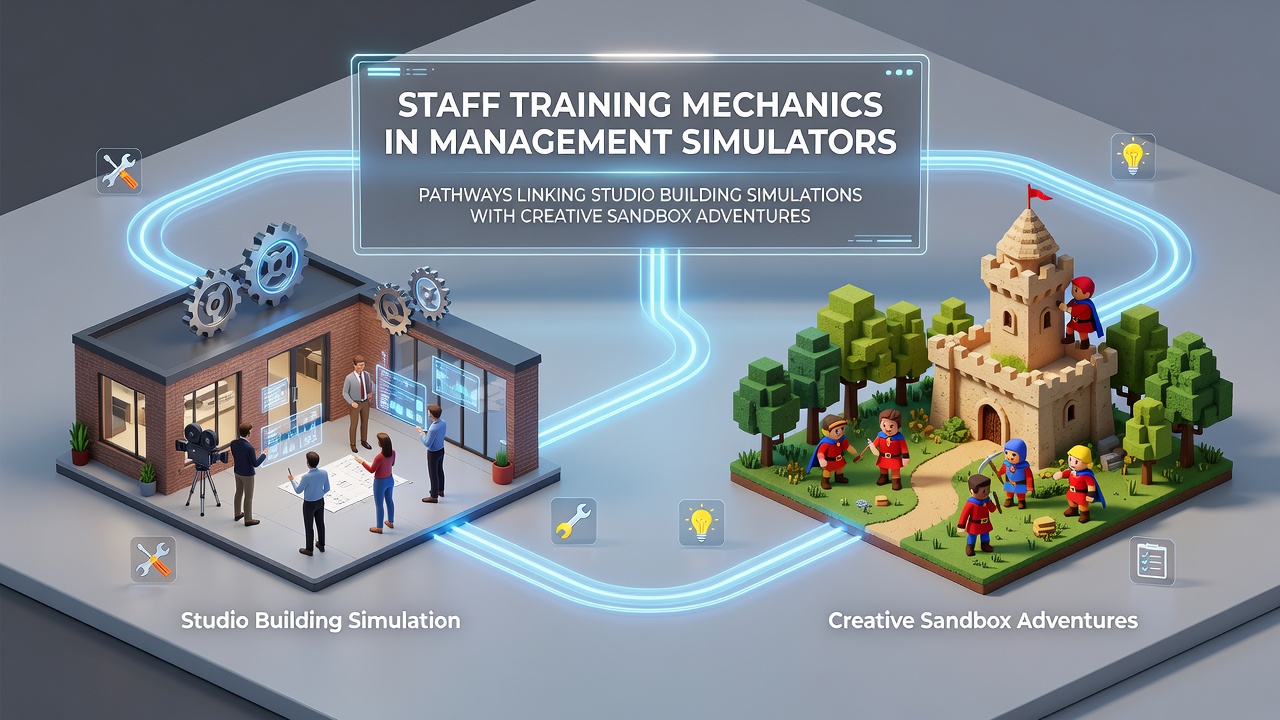
Staff Training Mechanics Across Management Simulators and Links to Sandbox Creative Play
Management simulators incorporate staff training systems that allow players to develop employee skills through structured progression trees, where attributes such as creativity, technical proficiency, and teamwork increase based on assigned tasks and completed projects. These mechanics often operate via point allocation models that players direct toward specific training modules, resulting in measurable improvements tracked through numerical stats and unlockable abilities. Data from industry reports indicates that such systems appear in multiple titles released between 2015 and 2024, with training sessions typically requiring resource investment that players balance against project deadlines.
Core Components of Training Systems in Studio Simulations
Players encounter training interfaces that present options for workshops, mentorship pairings, and certification programs, each tied to distinct skill categories that influence overall studio output. Research from game design studies shows these modules frequently use experience point thresholds, where staff members advance levels after accumulating sufficient points from repeated activities. Observers note that successful training paths often require sequencing, as certain advanced skills unlock only after foundational ones reach specified benchmarks, creating layered development strategies that extend across multiple in-game years.
Resource management plays a central role because training consumes time and budget that could otherwise fund new hires or equipment upgrades, forcing decisions that affect long-term studio growth. Figures from the Entertainment Software Association reveal that management sim players spend an average of 35 percent of their session time on personnel development screens, highlighting the emphasis placed on these features. And when staff reach higher competency levels, productivity multipliers activate that scale output without additional player intervention.
Pathways Connecting Studio Building to Sandbox Elements
Management simulators establish connections to creative sandbox modes by allowing trained staff attributes to transfer into open-ended building environments, where employees apply learned skills to construct custom levels or assets. This linkage functions through shared progression databases that carry over stats from simulation phases into sandbox tools, enabling players to deploy specialized team members for tasks such as terrain editing or object scripting. Those who have examined these integrations find that skill carryover typically caps at 70 to 80 percent of trained values to maintain balance between the two modes.
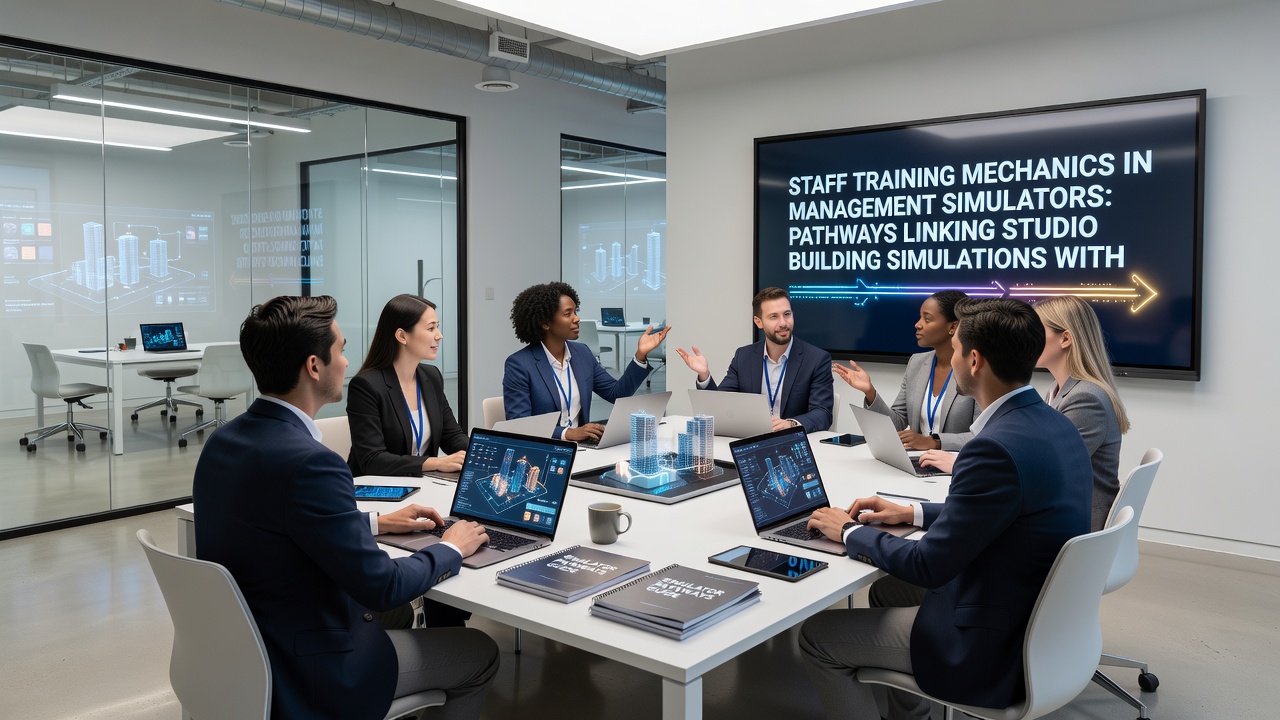
One documented case involves simulators that permit players to export trained staff profiles directly into sandbox sessions, where those profiles determine the complexity of available creation options. Academic papers from institutions such as the University of Alberta document how this export process uses XML-based data structures to preserve skill data across game modes. The result lets players leverage earlier training investments when experimenting with user-generated content rather than starting from baseline abilities each time.
Implementation Patterns Observed in Recent Titles
Designers implement these mechanics through tiered menus that display training costs alongside projected returns, helping players evaluate options without external calculators. European Union gaming industry analyses indicate that titles incorporating cross-mode staff progression see higher retention rates in the first six months after launch compared to those without such features. What's interesting is how some simulators schedule periodic training events that coincide with in-game calendar milestones, such as annual reviews that reset or boost available training points.
Players often discover that combining multiple staff members in joint training sessions produces synergy bonuses, where combined skill gains exceed the sum of individual contributions. This pattern appears consistently across various releases and encourages strategic team composition before initiating training sequences. Data shows synergy effects range from 10 to 25 percent additional point generation depending on complementary attribute pairings.
Future Developments Anticipated by September 2026
Industry observers project that updates scheduled for September 2026 will introduce cloud-based staff profile sharing between simulator and sandbox sessions, allowing persistent character growth across multiple playthroughs. Government reports from the Australian Classification Board note increased scrutiny on data persistence features in games, which may influence how developers structure these cross-mode transfers. Such changes would extend current mechanics by adding online leaderboards that rank training efficiency across player communities.
Conclusion
Staff training mechanics in management simulators create measurable pathways that link structured studio building phases with flexible creative sandbox adventures through shared skill systems and data transfer protocols. These elements rely on established progression frameworks documented in design literature and industry statistics. Players navigate resource trade-offs and synergy opportunities that shape outcomes in both modes, with ongoing refinements expected to enhance connectivity by late 2026. The overall structure demonstrates how simulation and sandbox genres intersect via personnel development tools rather than operating in isolation.