The Influence of Animation Fidelity on Fight Choreography Within Film Tie-In Video Games
Written by Olivia Washington · Oct 30, 2026
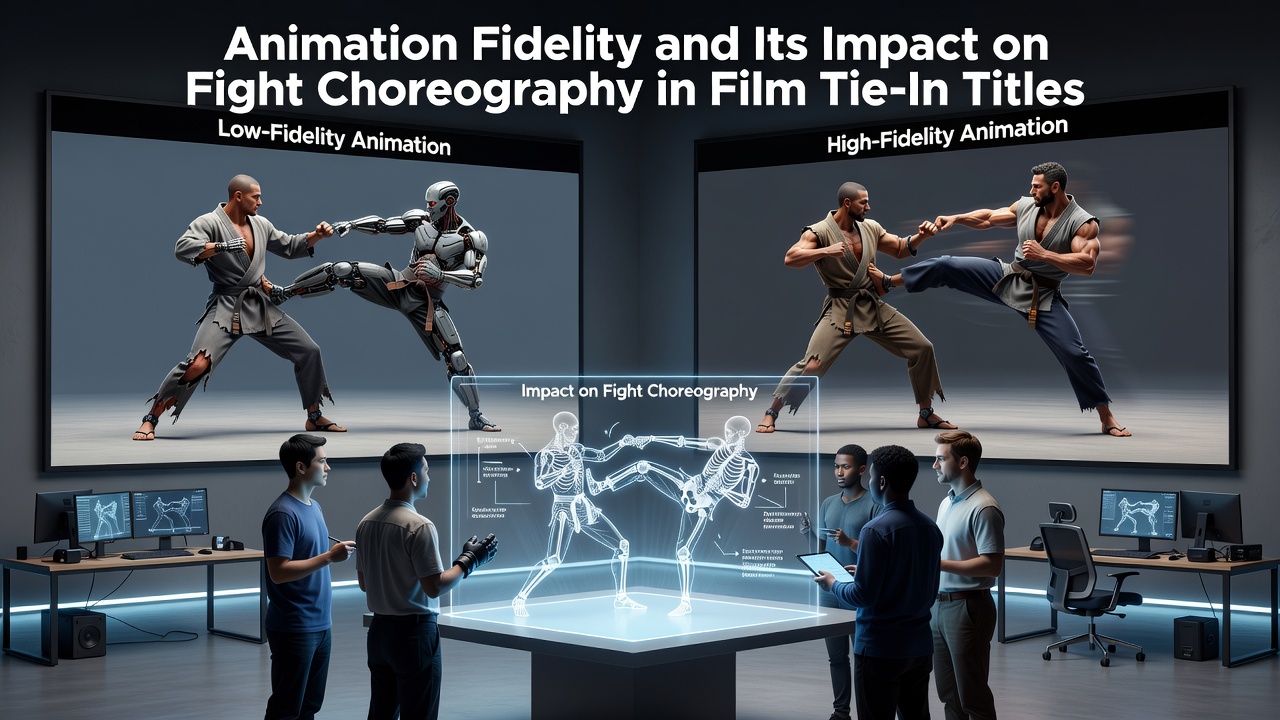
The Influence of Animation Fidelity on Fight Choreography Within Film Tie-In Video Games
Animation fidelity refers to the level of detail and realism in character movements within digital environments, and this aspect directly shapes how fight sequences unfold in titles tied to major film releases. Developers integrate motion capture data from live performers with advanced skeletal rigging systems, allowing sequences to mirror the timing and weight seen on screen while adapting to player input. In practice, higher fidelity means each punch, kick, and grapple incorporates subtle shifts in balance and momentum that lower-quality animations often simplify or omit entirely.
Technical Foundations Driving Choreography Choices
Modern engines support layered animation blending that combines idle stances with attack chains and reaction states, yet the quality of underlying data determines whether transitions feel seamless or mechanical. Research from industry bodies shows that studios allocating greater resources to per-frame adjustments produce combat that respects the physics of the source material, such as the specific footwork patterns established in the films themselves. Those who've studied this process note that skeletal deformation maps must align closely with actor proportions captured during principal photography, otherwise the choreography loses the distinctive rhythm that audiences recognize from theatrical versions.
Take one developer team that worked on a recent superhero adaptation and found that upgrading from 60 to 120 frames of reference per second permitted additional intermediate poses during aerial attacks. This change allowed the in-game character to execute a spinning maneuver that previously required cuts or simplified arcs, and the result matched the film's editing style more closely while remaining fully interactive. Data from the Entertainment Software Association indicates that such upgrades correlate with increased player retention across licensed action titles released in the past five years.
Case Examples from Recent Releases
Observers note that the 2024 adaptation of a popular space opera film featured hand-to-hand encounters where fidelity improvements enabled environmental interactions, such as using wall surfaces for leverage during throws. Earlier entries in the same franchise relied on canned sequences that ignored surrounding geometry, but updated collision detection combined with denser animation layers created opportunities for improvised counters that echoed the movie's creative direction. Similar patterns appear in fighting systems built around martial arts properties, where increased joint rotation ranges let designers replicate signature stances without forcing players into rigid timing windows.
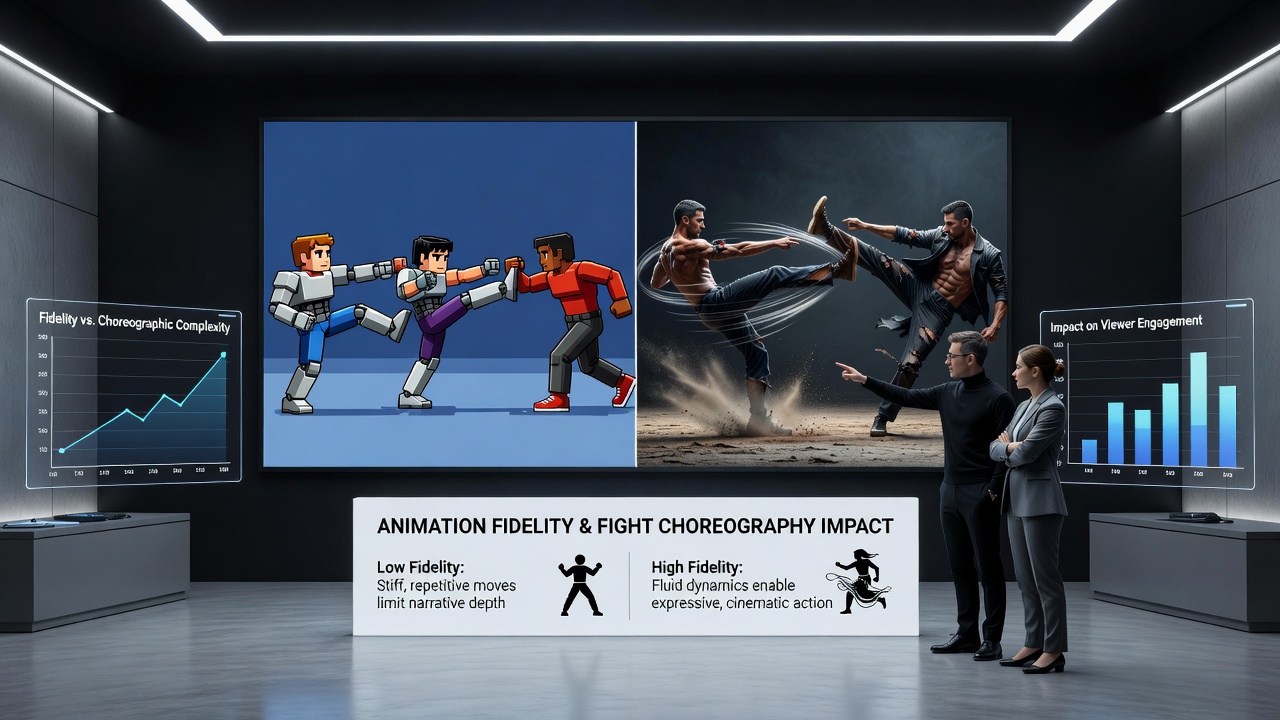
Figures from the Interactive Games and Entertainment Association in Australia reveal that development budgets for film tie-ins have risen steadily since 2022, with animation departments receiving larger portions dedicated to iterative refinement rather than initial capture sessions. This shift produces choreography that scales across difficulty settings without losing visual coherence, because the base motion data already contains the micro-adjustments needed for varied speeds and angles.
October 2026 Developments and Industry Trends
Industry conferences scheduled for October 2026 will showcase new middleware tools that automate retargeting of film motion data onto game skeletons, potentially shortening the time between cinematic reference and playable sequences. Early demonstrations suggest these tools preserve secondary motion such as cloth dynamics and hair movement during rapid strikes, elements that previously required separate simulation passes. Those who've examined preview builds report that the resulting fights maintain the same visual weight as their film counterparts even when player-controlled characters deviate from scripted paths.
Yet the integration process still demands manual oversight at key transition points, because automated blending can introduce clipping when multiple characters occupy tight spaces. Developers address this by inserting corrective keyframes that maintain the intended emotional beats of each encounter, ensuring that fidelity serves narrative purposes rather than overriding them.
Conclusion
Animation fidelity continues to expand the range of expressive options available to designers working on film tie-in combat systems, and ongoing technical refinements point toward even tighter alignment between on-screen and interactive performances in upcoming releases. The relationship between detailed motion assets and choreography decisions remains central to how these titles translate cinematic language into playable form.